





Frank Trujillo, the bearded, bespectacled, and soft-spoken book conservator at the Morgan Library & Museum—a curator of the venue's new tarot exhibition—is not a practitioner of the arts of fortune-telling and divination. He's a historian, and a lifelong researcher of medieval manuscripts.
But he's also the first to admit that the tarot decks currently on display at the Morgan—the earliest decks in existence—have a certain je ne sais quoi.
"We had a lot of people over the years put in an application to experience the cards in our reading room," Trujillo, who has worked at the Morgan for almost two decades, told Hell Gate on Tuesday. "Many times they would just want to be around them, feel their energy. And I think, even from a conservation point of view, they do have their own energy. They have a real beauty."
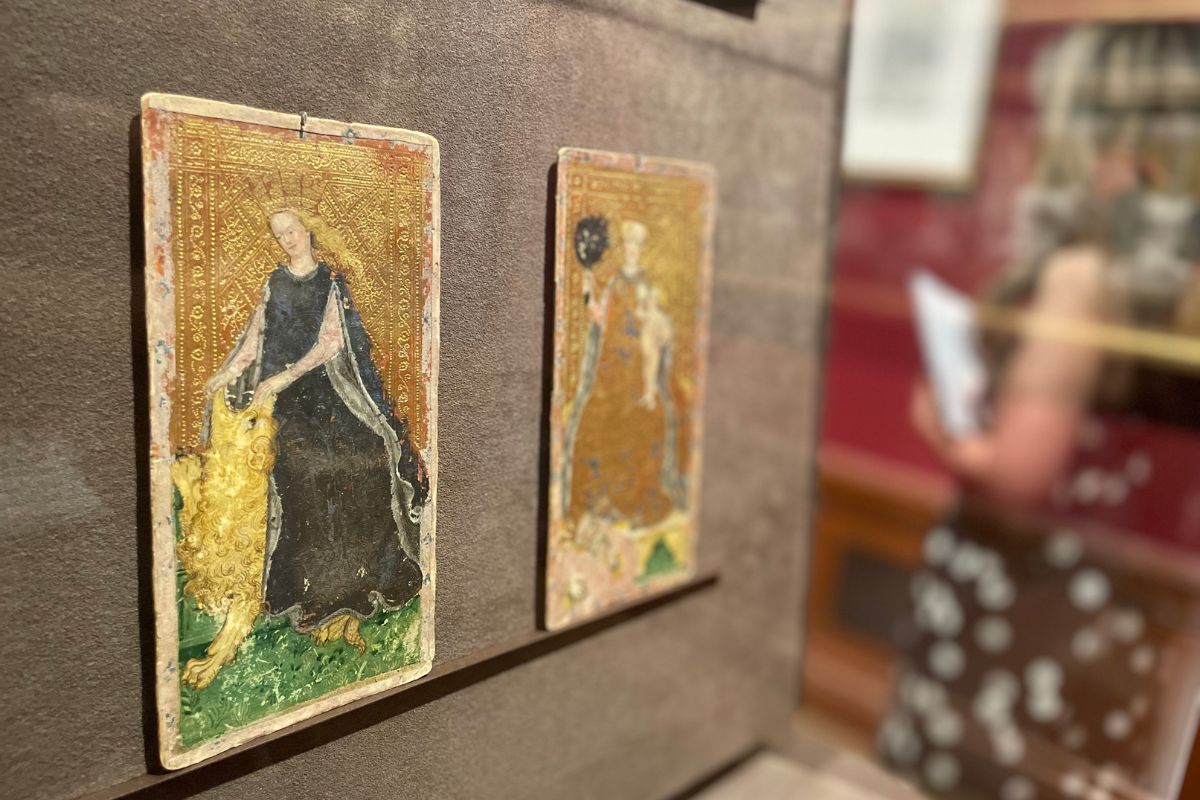
Indeed, the 15th-century decks on display at the exhibition, "Tarot! Renaissance Symbols, Modern Visions," are almost hypnotic: large and luminous, glowing with real gold, silver and the vibrant blue of ground lapis lazuli. The exhibition brings together the three oldest surviving tarot decks, which hark back to 15th century Milan, during the Italian Renaissance.
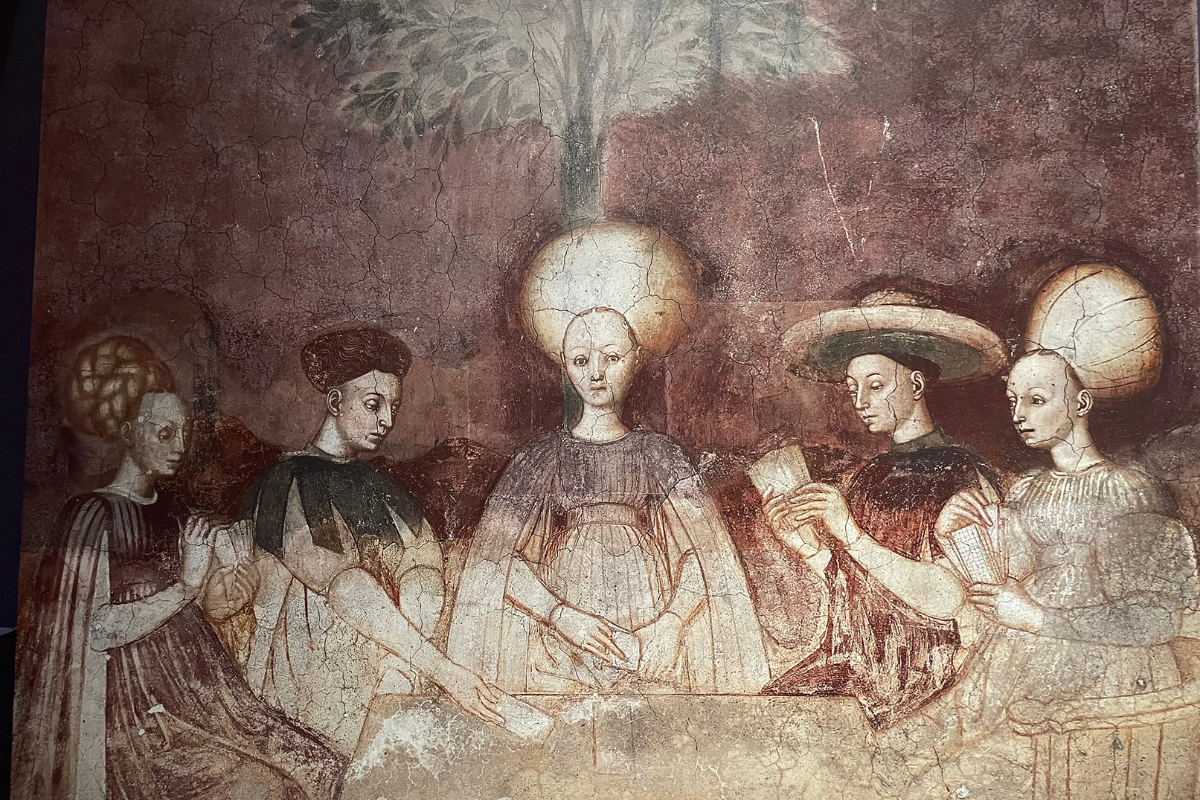
Back then, tarot was a courtly game, not a tool of divination (one of the decks was the Duke of Milan's wedding gift to his daughter). The exhibit tracks how the visual language of the modern decks of divination has remained virtually unchanged from that of the original playing-card decks, and how they evolved to become a fortune-telling tool. A second room is dedicated to contemporary tarot cards and art.
Subscribe to read the full story
Become a paid subscriber to Hell Gate to access all of our posts.
Subscribe